Cat Behavior: Is This Normal?
Reviewed by Dr Georgina Ushi Phillips, DVM (AVMA, FVMA) · Updated June 2026
Most odd cat behavior – head-butts, slow blinks, sleeping on your legs, the occasional lick-then-bite – is normal feline communication, not a problem. We explain what each behavior means in plain English, flag the few signs that are worth a vet visit and have a licensed vet check it. Good news first, always.
Reviewed by licensed vets
10+ years hands-on animal-welfare experience
Calm, plain-English answers
Every page shows its review date
Your cat is talking to you – here’s how to read it
Cats communicate constantly: with their tails, their eyes, where they choose to sleep and the funny little things they do at 2am. The trouble is, type a question into Google and you get ten conflicting answers, half of them alarming, most of them from people who’ve never met a cat like yours.
This is the home for everything cat behavior on Better With Cats. We answer the “why does my cat do that?” questions in plain English, lead with reassurance, and tell you the small number of times a behavior change is actually worth a vet visit, never to scare you, just so you can decide with confidence.
Every explainer here is written by people who genuinely live with cats and reviewed by a licensed veterinarian, so you’re getting real guidance instead of a stranger’s best guess. Pick a topic below, or browse our most-read behavior guides.
Why trust this over a random search?
Explore by topic
What kind of behavior are you wondering about?
Body Language & Signals
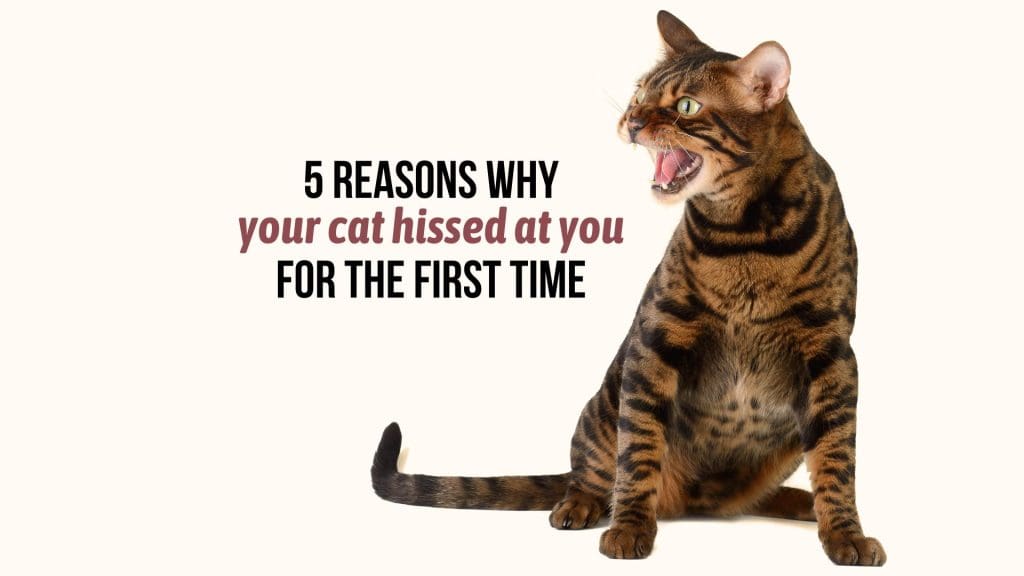
Tails, ears, paws and that slow blink – what your cat is actually telling you.
“Why Does My Cat…?”
The everyday quirks – staring, kneading, head-butts and gift-giving – decoded.
Sleep & Affection
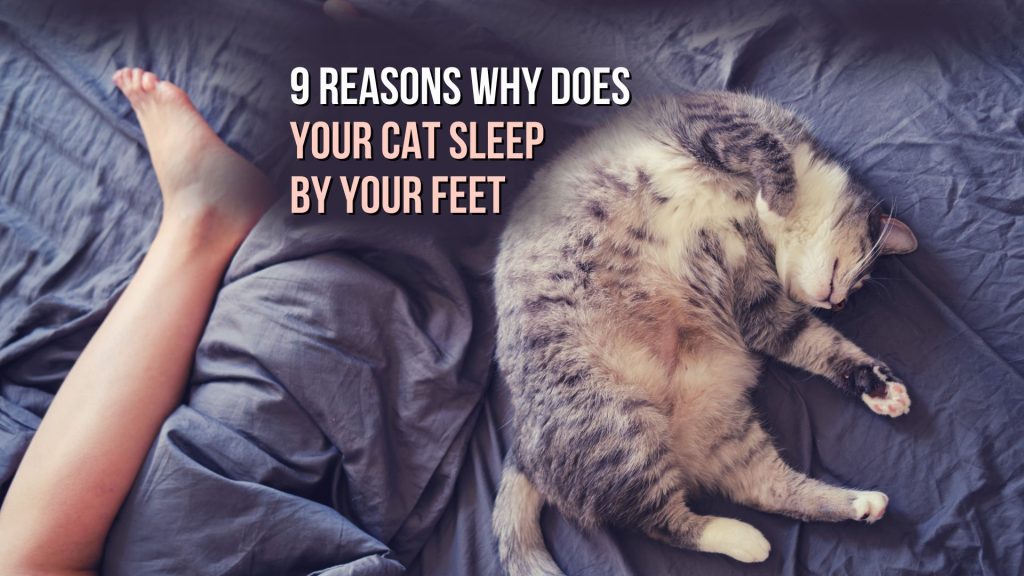
Where (and how much) your cat sleeps, and what their closeness really means.
Stress, Anxiety & Calming
Spot the signs of an anxious cat, and what genuinely helps calm them.
When Behavior Means Health
The few times a behavior change is your cat’s way of saying something’s wrong.
Multi-Cat & Enrichment
Helping cats get along, settle in and stay happily busy indoors.
Popular cat behavior questions
Jump straight to the answer. Each guide leads with the most likely explanation, then tells you when it’s worth a closer look.
Most-read behavior guides
Our deepest, most-loved articles – start here if you’re not sure where to begin.
First, the reassuring part
The vast majority of “weird” cat behavior is completely normal, it’s just how cats communicate. Before you panic (or book the vet), it helps to know the handful of signs that are genuinely worth a call:
If you’re seeing any of those, read our vet-reviewed when to call the vet checklist. And remember: Better With Cats is here to help you understand your cat – it is not a substitute for examining your cat in person.


A knowledgeable friend, with a vet on speed dial
Better With Cats has been helping cat owners since 2020. Our guidance comes from Logan Mastrianna, with 10+ years of hands-on animal-welfare experience, and every health claim is checked by Dr Georgina Ushi Phillips, DVM – a member of the AVMA and FVMA.
That’s the gap we fill: the big authority sites are accurate but cold and generic; random blogs are warm but unqualified. We’re both, clinical accuracy with genuine warmth and the review dates to prove it.
Cat behavior — frequently asked questions
Is most cat behavior something I need to worry about?
Usually not. Most quirky behavior – kneading, slow blinks, sleeping on you, the odd lick-then-bite, is normal feline communication. What’s worth attention is a sudden change in your cat’s usual habits, especially alongside hiding, low appetite or low energy. When that happens, our guides point you to a vet-reviewed “when to see a vet” checklist.
Is this advice from an actual vet?
Yes. Our behavior and health content is reviewed by Dr Georgina Ushi Phillips, DVM (AVMA, FVMA), and written by people with 10+ years of hands-on animal-welfare experience. Every page shows the date a vet last reviewed it, so you can see how current it is.
My cat’s behavior changed suddenly – is that an emergency?
A sudden, marked change in behavior is worth taking seriously, but it isn’t automatically an emergency. If your cat is also hiding, not eating, struggling to use the litter box, or showing signs of pain or breathing trouble, contact your vet promptly. Our when to call the vet guide walks through exactly what to look for.
Can one article really explain why my cat does something specific?
Often, yes. Cat behavior follows recognizable patterns. Each guide leads with the most likely explanation in plain English, then covers the less common reasons and the signs that mean it’s worth a closer look, so the answer fits your cat rather than a generic one-size-fits-all reply.
Are your product recommendations just affiliate spam?
No. Guidance always comes first, and we only mention a product where it genuinely helps, with honest pros, cons and who should skip it. Some links are affiliate links (we may earn a small commission at no cost to you) and we disclose that clearly. We’ll happily tell you when the cheaper option is the smarter buy.
Get the calm, vet-reviewed answer before the 2am Google panic.
Join thousands of cat parents getting our honest product picks and plain-English care guides – FREE, no spam, unsubscribe anytime.