
Cat Trees, Furniture & Scratching
Honest picks for big cats, small spaces and multi-cat homes, plus the sizing, placement and stability details that decide whether your cat actually uses it.
Quick answer:
The cat tree your cat will actually use is tall enough to climb, stable enough not to wobble, and wrapped in sisal rather than carpet. Match the platform size and base width to your cat, since big cats need more of both, and put it by a window or wherever the family spends time.
Honest picks, never affiliate spam
We say who should skip each one
Every guide shows its update date
Honest picks, never affiliate spam · We say who should skip each one · Every guide shows its update date
What are you trying to sort out?
Editor’s picks
Start here: the most-read cat tree guides
As an Amazon Associate we earn from qualifying purchases. How we choose what to recommend →
Latest cat tree guides




Honest picks, never affiliate spam
How we choose the cat trees we recommend
Pros, cons & who should skip it
Wrong size, wobbly base, carpet that sheds — we call it out, not just the good bits.
Sized for real cats
Weight limits, platform size and base width come first, especially for big cats and Maine Coons.
Built to be used
We look at whether a cat will actually use it, not just how it looks in a photo.
Disclosed clearly
As an Amazon Associate we earn from qualifying purchases, stated plainly on every page.



Common cat tree questions, answered
How big should a cat tree be?
Big enough for your cat to stretch out on the top perch, with a base wide and heavy enough that it doesn’t wobble when they jump. Bigger cats, like Maine Coons, need wider platforms and a sturdier base.
Why won’t my cat use its cat tree?
Usually placement or stability. Cats avoid wobbly trees and ones tucked away in a quiet corner, so try moving it near a window or where the family spends time.
Are cat trees worth it?
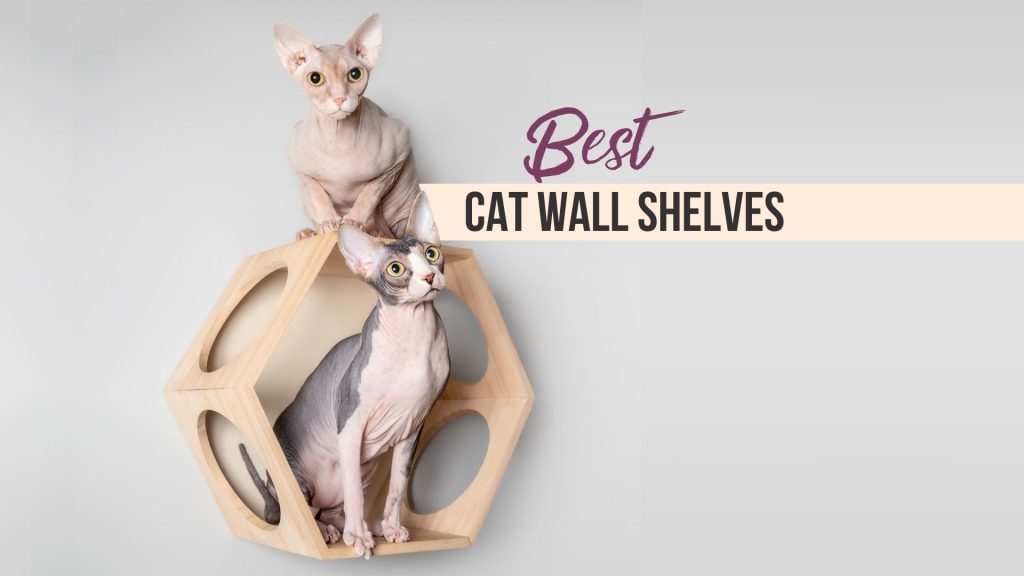
For most indoor cats, yes. A tree gives them height, somewhere to scratch and a perch of their own, which can ease stress and spare your furniture. In a small home, wall shelves do the same job.
What can I do instead of declawing my cat?
Scratching posts, regular nail trims, soft nail caps and steering scratching toward approved surfaces all work. Declawing is an amputation, and major veterinary groups discourage it.
For the slightly cat-obsessed.
Because life really is better with cats. Get warm, well-researched cat care from real cat people — new guides, honest reviews and the occasional ridiculous cat fact, in your inbox.